
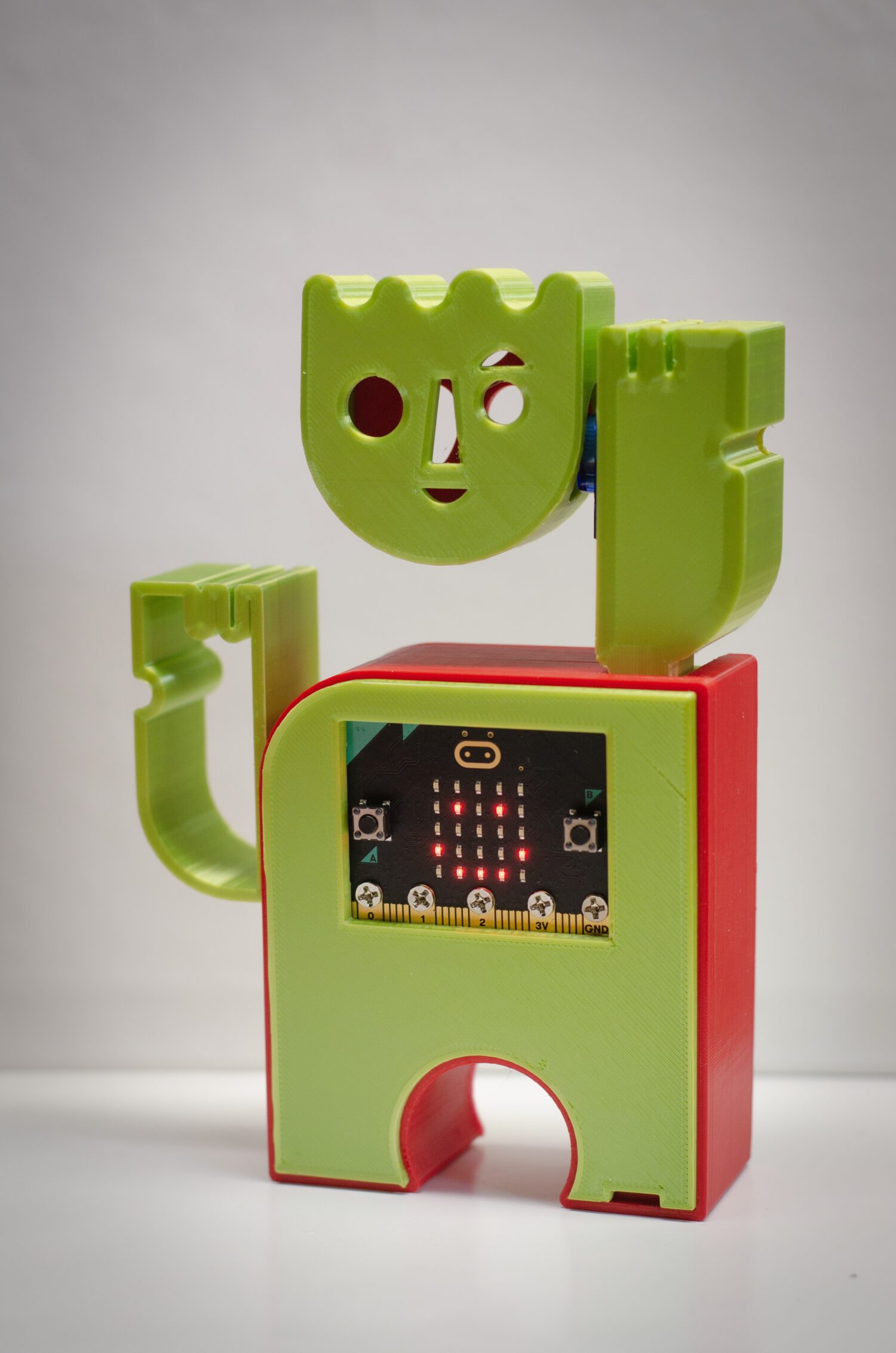
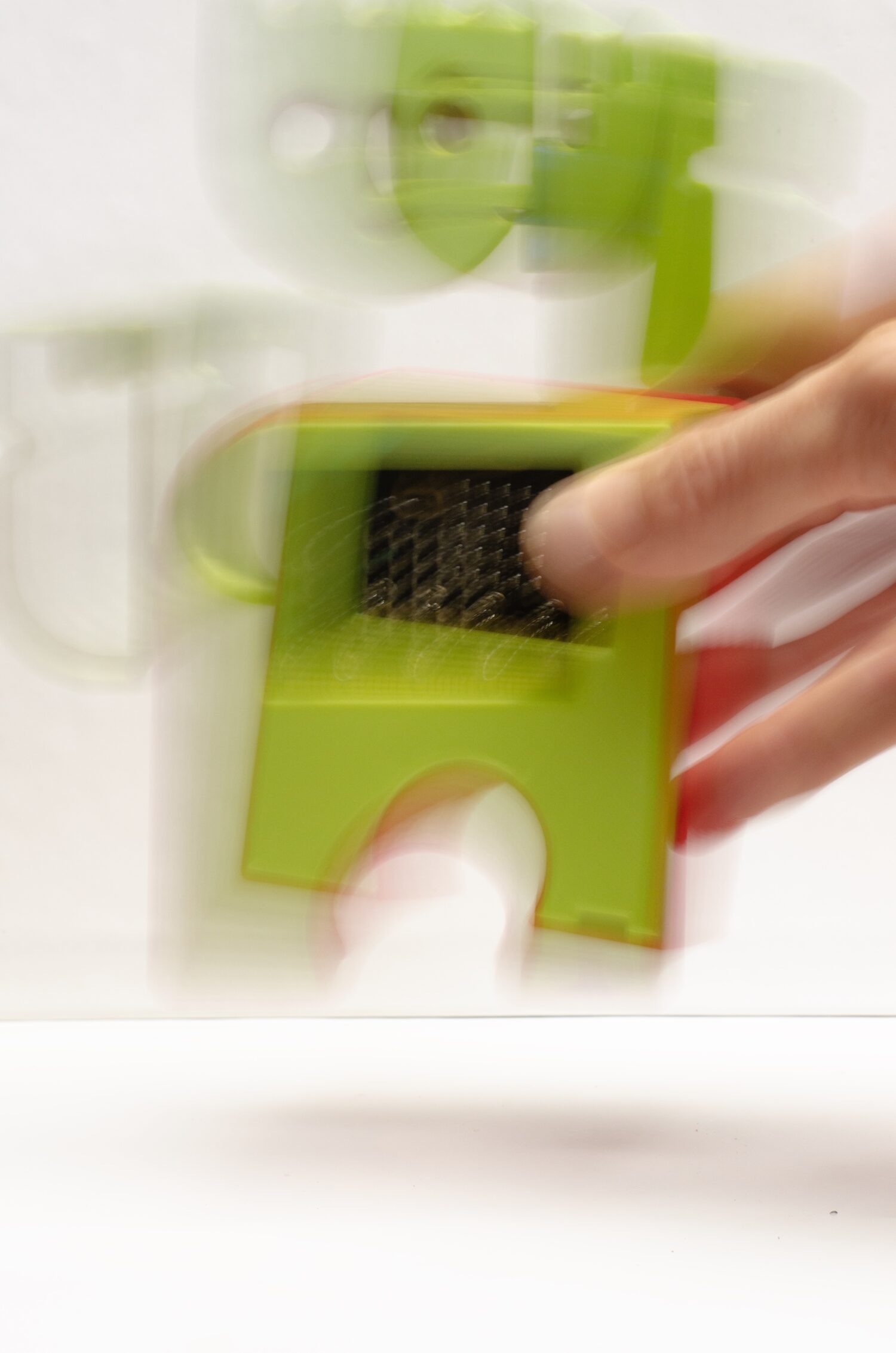
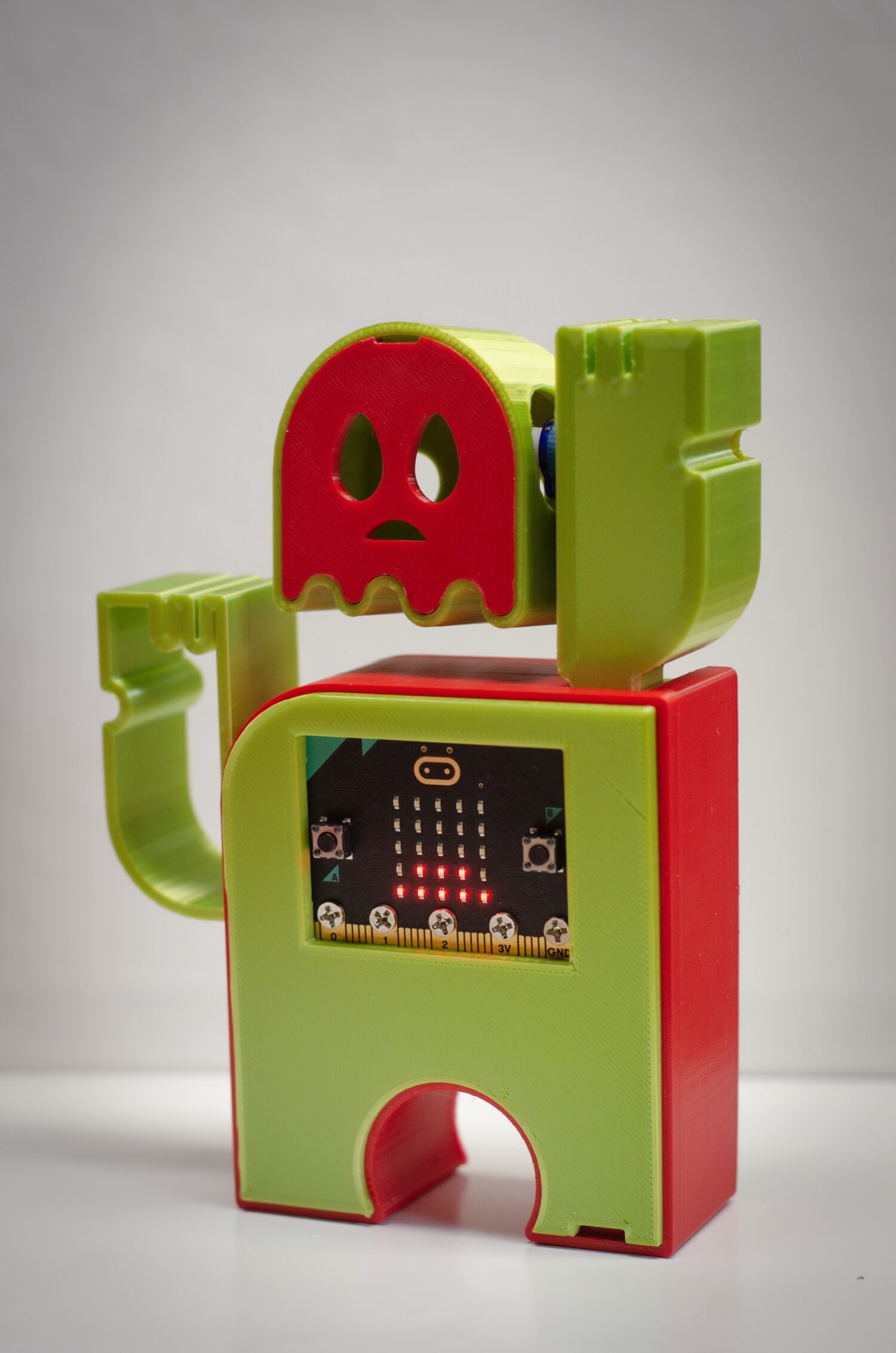
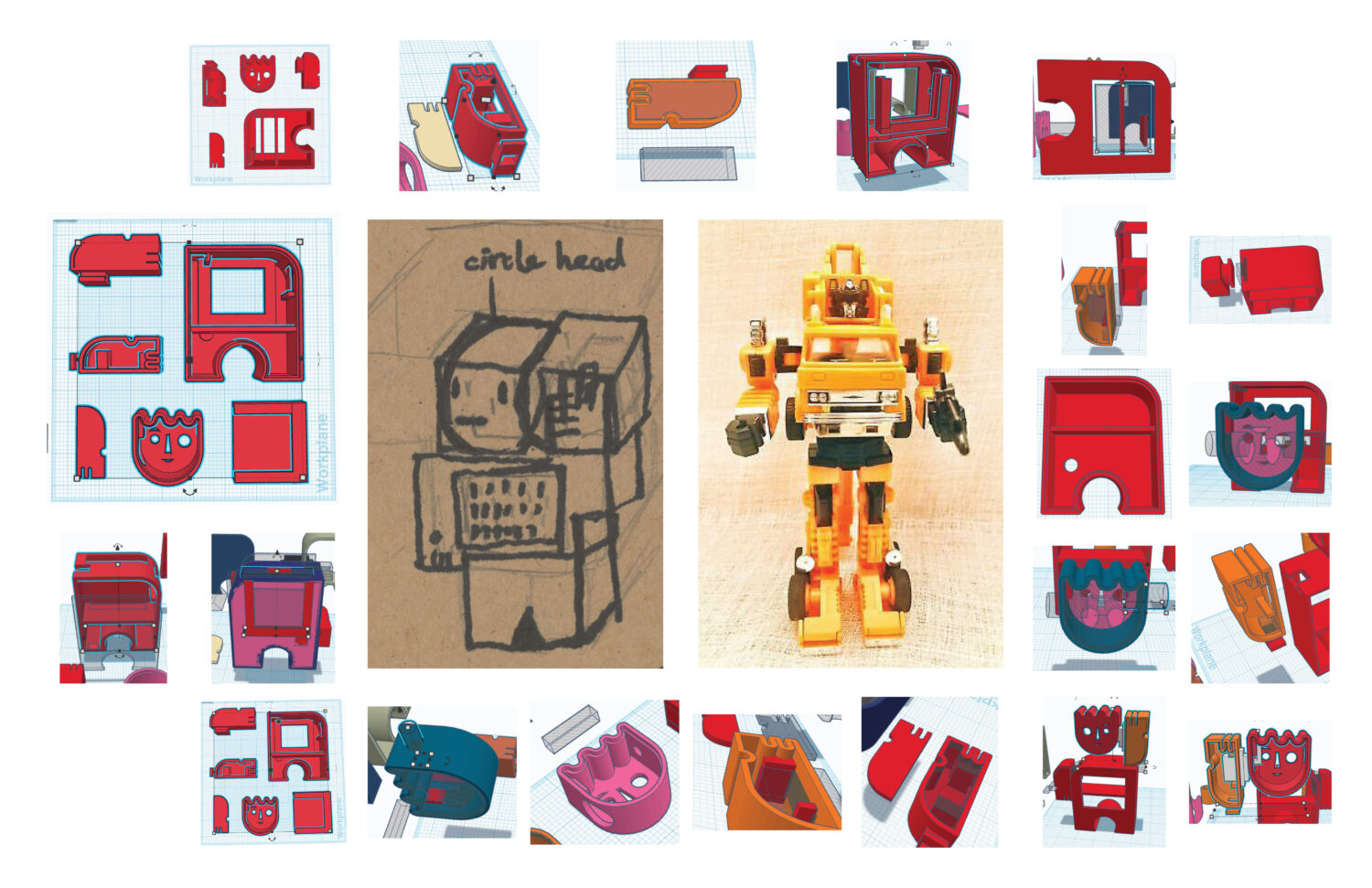
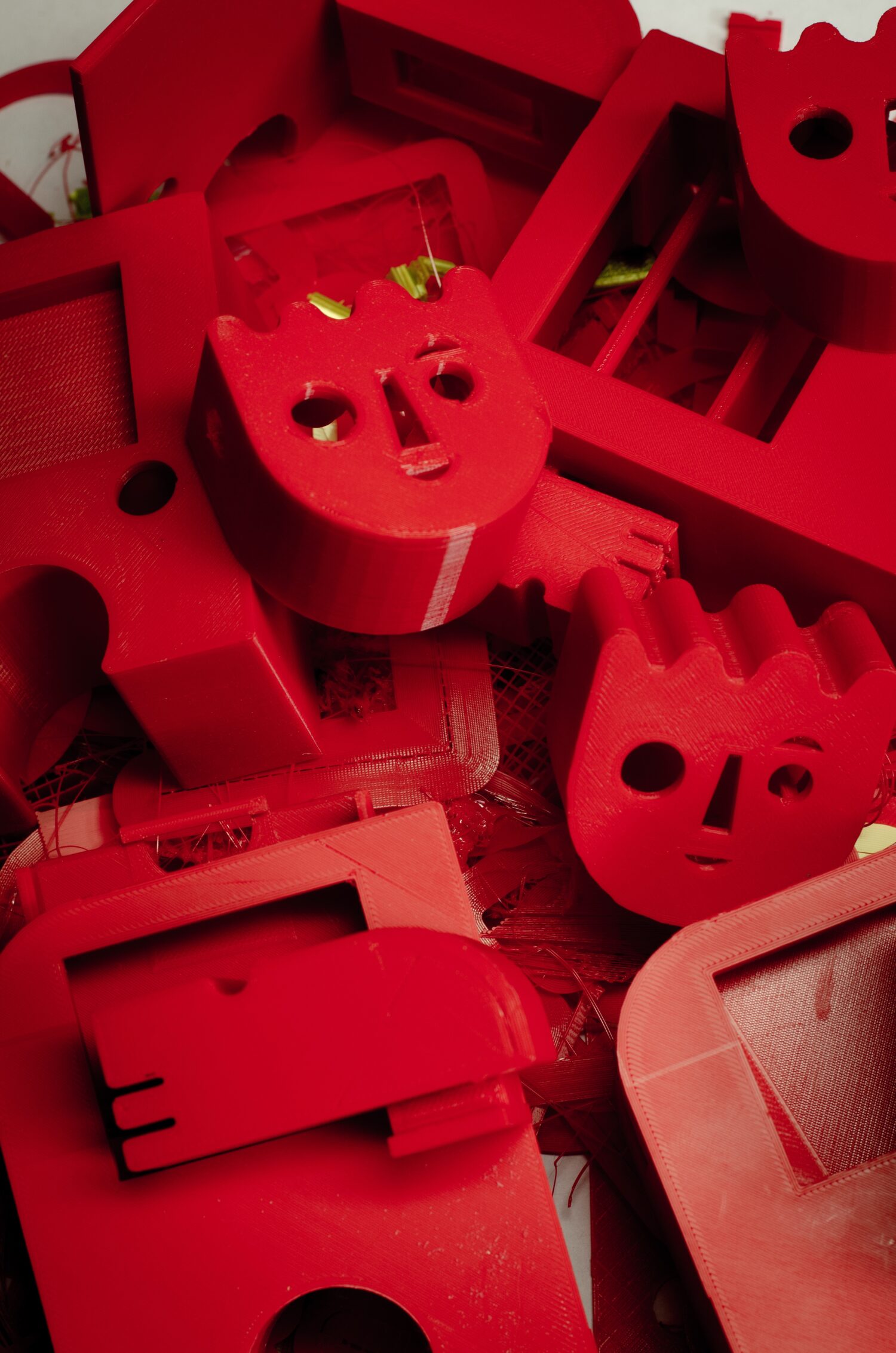
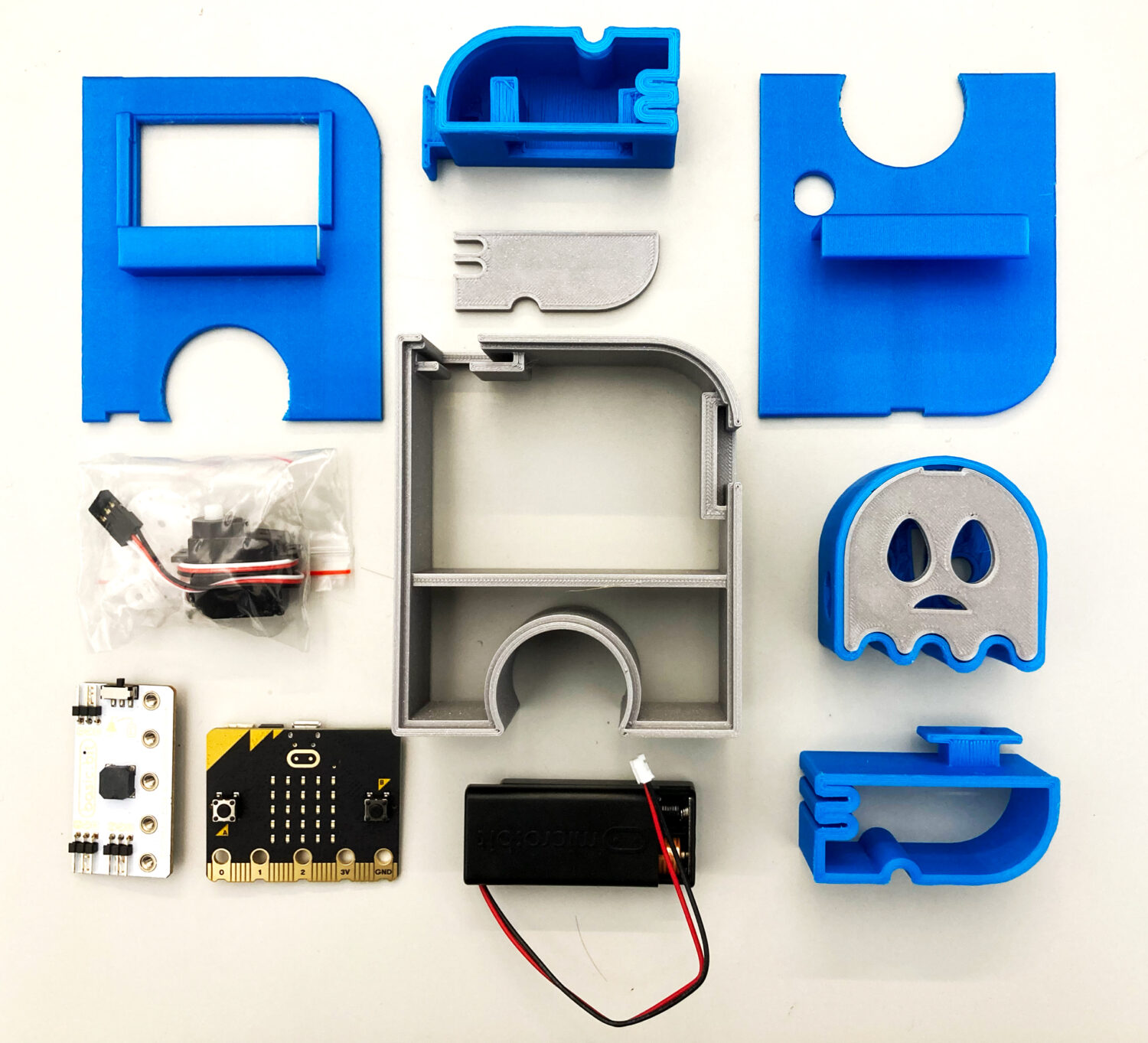
After being shaken, this toy—created with simple coding, a Microsoft Micro:bit, and 3D-printed parts—counts down a seizure’s duration. When the timer starts, a servo motor is triggered to flip the head into a ghost state. When the timer finishes, the character head returns to its normal position.
Project Summary
Project Information
When I was young, my mother had epilepsy. I remember her seizures always began with a heavy sigh, rising in pitch until her body fell against a hard surface. Pots and pans crashed and chairs tipped as Mom’s body crumpled to the floor. The difficulties that arose when a seizure occurred in public, such as while grocery shopping or at the mall, were worse. I often felt as if I had little to no power to control what was happening around me. Strangers panicked, calling emergency services that were completely unnecessary. It was as if our roles reversed, placing me as the parent while my mother became the child. Yet, I was still perceived as a child.
When a caregiver suffers from epilepsy, a child can often feel frightened, vulnerable, and alone whenever a seizure occurs. These struggles children face when experiencing a caregiver’s epilepsy are often neglected. There is little a child can do during these moments of panic, worry, and fear. At this point, no tool exists to provide them with the ability to take action, offer reassurance, or give empowerment.
In my current creative work, I intend to help children negotiate this struggle by creating therapeutic toys. Through play, children can navigate feelings that are often overlooked by adults. The visual appeal, simplicity, and materials used in their creation help facilitate comfort through sensory cues. By providing coping mechanisms to deal with stress caused by the passage of time, offering tactile comfort, and equipping the child with tools to take action, their emotional needs are met. These toys address an overlooked need for children who consistently deal with the emotionally taxing challenges of having a caregiver with epilepsy.
Credits
Ben Evjen, Designer